About
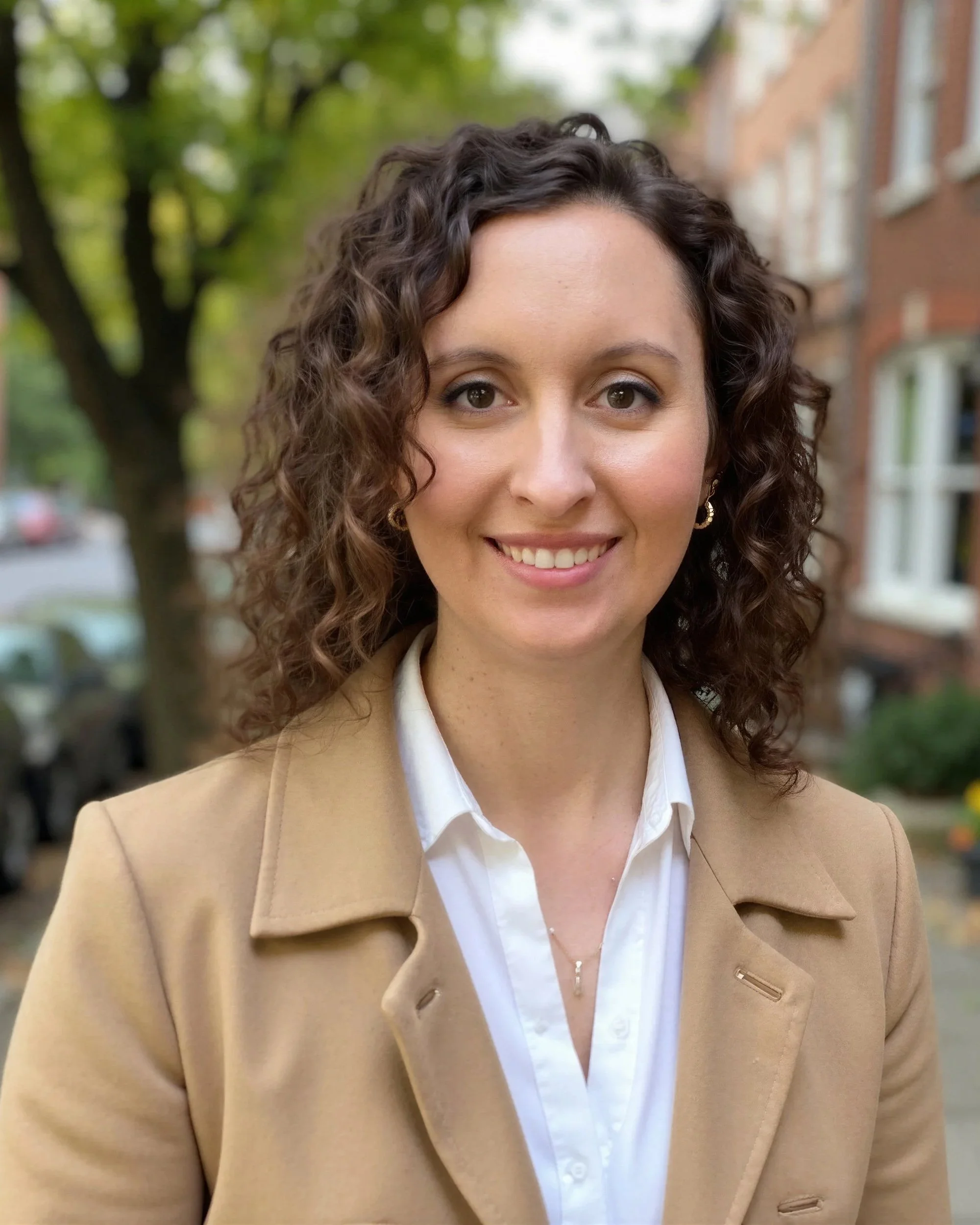
I didn’t start with a theory— it started with a pattern I couldn’t ignore.
I kept seeing the same thing—neurodivergent individuals and twice-exceptional students who were clearly capable, yet still being misunderstood.
I saw it with employees who thought differently and were labeled difficult, and with people who didn’t follow expected paths, getting written off too quickly.
It showed up in schools, in workplaces, even in systems designed to support neurodivergent individuals. When something didn’t go as expected, the assumption went straight to the person—that something was wrong or missing—rather than asking whether our processes, culture, and communication expectations might be part of the problem.
Most systems are built for predictability, not variability.
So when someone doesn’t follow expected patterns—even if they’re highly capable—they’re often misread, overlooked, or unsupported. Not because they lack ability, but because the system wasn’t designed to recognize how they operate.



I’ve spent nearly three decades in corporate leadership, including at JPMorgan Chase, and now serve as a Visiting Assistant Professor of Practice at The University of Akron and a professor of Human Resource Management at the University of Southern California. I’ve also worked with government agencies on disability inclusion and workforce strategy.
My work draws from both professional experience and lived experience as a parent of twice-exceptional children.
Today, I work with organizations and educational institutions to make sense of situations where something isn’t adding up—and what to do differently.
That might mean rethinking how talent is assessed, how support is structured, or how decisions are made about who is considered “capable,” “ready,” or “a fit.”
Some of the most important insights I’ve gained didn’t come from formal roles—they came from trying to understand systems that didn’t work for my own children, and for others like them.
Across it all, I kept coming back to the same question: are we seeing people clearly—or just measuring them against the wrong things?
The Work
Over time, the patterns Dr. Haskins observed across education, leadership, and neurodiversity evolved into an interconnected body of work focused on how systems recognize, develop, and overlook human capability.
Her frameworks — including Directed and Supported Capability and The Orchard Effect — explore why highly capable people are often misunderstood when they don’t fit expected models of performance, communication, or success.
These ideas shape her teaching, speaking, consulting, TEDx work, and forthcoming book, The Ones You Didn’t Pick.
“Everyone deserves the opportunity to reach their full potential. Misunderstandings and assumptions often stand in the way.”
— Dr. Theresa Haskins

Not every system is built for every kind of mind.
That doesn’t make the person the problem—it means we’re not set up for them to succeed.